





Two aero bikes that answer different questions
Put the Scott Foil RC 10 and the Colnago Y1Rs next to each other in the showroom and the first thing you notice isn't the geometry or the groupset. It's that they're barely trying to be the same bike.
One is a complete, race-ready aero machine with Shimano Ultegra Di2 electronic shifting for around AED 24,999. The other, in its cheapest complete build, starts near AED 44,999 and climbs past AED 63,000 depending on how you spec it. That gap is the whole story, and any honest comparison has to start there rather than pretending these two are trading blows on a spec sheet. They aren't. They're answers to two different questions.
So let's take both questions seriously.
What each bike actually is
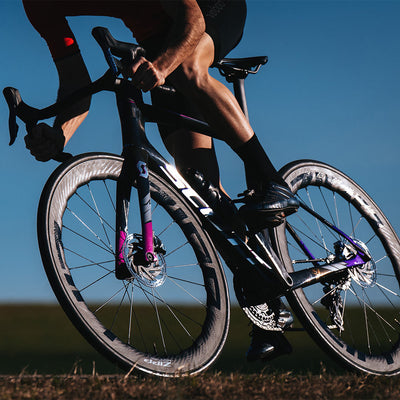
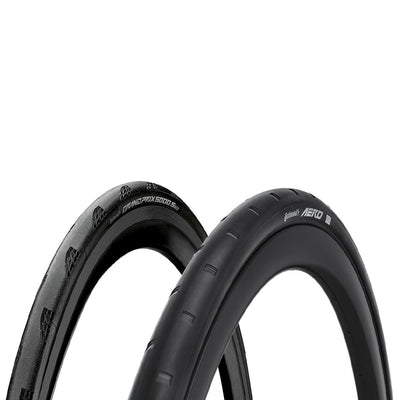
The Foil RC 10 sits on the third generation of Scott's Foil platform, the aero bike Scott overhauled in 2022 with input from aerodynamicist Simon Smart of Drag2Zero, the same partnership that shaped the frame ridden to stage wins at the Tour de France. The RC 10 is the HMX-carbon frame paired with a full Ultegra Di2 build, one rung below the Dura-Ace-equipped RC Pro. It comes as a finished bike: 60mm-deep Syncros carbon wheels, 28mm Schwalbe Pro One tubeless tyres, hydraulic discs, ready to ride out the door.
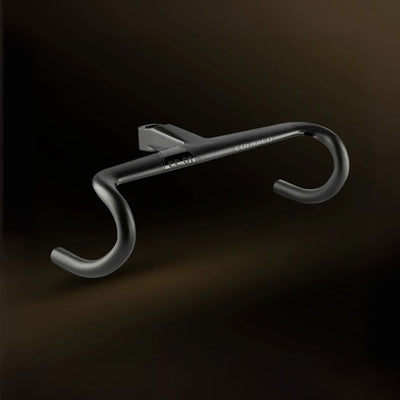
The Y1Rs is a different animal entirely. It's Colnago's first dedicated aero bike since 2017, built with and for UAE Team Emirates and Tadej Pogačar, and it looks like nothing else in the peloton. The crossbar-less Y-shaped cockpit, the bayonet fork, the seat post that wraps tight around the rear wheel: this is the bike Pogačar has ridden to a long string of wins, and Colnago engineered it around that job first and everything else second.
Here's the useful way to hold it in your head. The Scott is an aero bike you buy to ride. The Colnago is an aero bike you buy because of what it is and who rides it, and then also ride.
The performance case, honestly
Both bikes are genuinely fast, and both back their aero claims with wind tunnel numbers rather than adjectives.
Scott claims the current Foil RC frame saves 16 watts at 40 km/h over the previous Foil, tested in the Mercedes F1 wind tunnel. Colnago claims the Y1Rs cuts frontal area by 19% versus its own V4Rs and needs 20 fewer watts to hold 50 km/h. Different reference points, different test conditions, so you can't lay those figures side by side and declare a winner. What you can say is that neither brand is bluffing about the aero.
The reviews tell a consistent story about each. Escape Collective, revisiting the Foil in 2025, still called it a modern aero benchmark three years after launch, praising how it balances speed, weight and comfort. That last word matters more than it sounds. The Foil's Duncan SL Aero seatpost uses a slim, flexing front shaft that adds real vertical give without giving up the deep aero profile, and reviewers across BikeRadar, Cyclist and Velo single it out as the bike's cleverest touch. At a quoted 7.9 kg, the RC 10 isn't the lightest thing on a climb, but it's light enough that most riders will never feel held back on UAE terrain.
The Y1Rs earns its praise too, and Cyclingnews gave it a fair, clear-eyed review worth reading in full. The verdict there: probably the best Colnago in recent years from a pure performance standpoint, very fast on the flat, and better-handling than Colnagos of the recent past. But the same review is refreshingly blunt about the compromises. There's a stiffness disconnect between the very stiff rear and a more flexible front through the bayonet fork. You can't comfortably ride on the tops of that radical bar. The integrated cages take 500ml bottles only, which is worth knowing before a long Al Qudra loop in summer. And Cyclingnews described it, more or less, as a bike built for pros, one the reviewer wouldn't steer most buyers toward on value grounds.
That's not us running down the Colnago. It's the most respected independent voice on the bike saying the quiet part out loud, and it's exactly the kind of thing you'd want a shop to tell you before you spend AED 50,000-plus.
The price question, which is really the whole question
Round the numbers and the Y1Rs, in complete form, costs about double the Foil RC 10. At Wolfi's the Y1Rs frameset alone starts around AED 27,999, more than the entire Foil RC 10 as a finished bike. Step up through the complete Y1Rs builds and you're looking at roughly AED44,999 with Ultegra Di2 and AED 65,999 with Dura-Ace Di2.
For most riders, AED 27,999 buying a World Tour-derived aero frame with full electronic shifting and carbon wheels is a lot of bike for the money. Wolfi's own road-bike guidance puts the sweet spot for a quality carbon bike with electronic shifting at AED 10,000 to 25,000, and the Foil RC 10 lands right at the top of that band without tipping past it.
The Y1Rs is priced as what it is: a halo bike. Some of that price buys performance. A meaningful chunk of it buys rarity, Italian pedigree, and the Pogačar association, and there's nothing wrong with valuing those things as long as you know that's part of what you're paying for. Plenty of people buy a bike partly for what it means to them, and a Y1Rs means a great deal, especially here.
The UAE angle nobody else can claim
If you ride in the Emirates, the Y1Rs carries something no other bike in this comparison can touch: it was built for the UAE team. Rolling out on Al Hudayriyat or Al Qudra on the same bike Pogačar races is a specific kind of pride, and for some riders that alone settles it.
The Foil RC's case here is quieter and more practical. Its aero-plus-comfort balance suits long, flat-to-rolling UAE roads where you're holding speed for hours, and the compliant seatpost and 28mm tubeless tyres take the edge off warm, long days in the saddle. It's the bike you don't have to think about, which on a 120km training day is its own kind of luxury.
Both bikes, though, share one UAE-specific truth: they reward being bought from a shop that can fit and service them properly. The Foil's 1-inch steerer and proprietary cockpit and the Y1Rs's cut-to-length seatpost and Y-bar are exactly the details that go wrong with a grey import and go right with a proper fitting. Our SmartFit sizing and in-house bike fitting exist for precisely this, and having Shimano, SRAM and Campagnolo service on hand locally matters more on bikes this integrated than on anything simpler.
So which one is for you
We're not going to hand you a winner, because there isn't one. There's a right answer for you, and it depends on what you're actually buying.
If you want the most aero performance and electronic shifting per dirham, a bike you can ride hard from day one and not fuss over, the Foil RC 10 is the clearer-headed choice, and it gives up surprisingly little to bikes costing far more. If what you want is the halo bike, the one with the pedigree and the UAE-team story and the presence that turns heads on the group ride, and the price is a number you've made peace with, the Y1Rs delivers that like almost nothing else on the market. Both are honest choices. They're just honest about different things.
Talk to us about pre-ordering the Foil RC 10 or the Colnago Y1Rs, and we'll walk you through sizing, build options and where each one fits before you commit. That conversation is free, and it's the part that makes sure whichever bike you choose is the right one.
FAQ
What's the main difference between the Scott Foil RC 10 and the Colnago Y1Rs?
Price and purpose. The Foil RC 10 is a complete, ready-to-ride aero bike with Shimano Ultegra Di2 electronic shifting for around AED 24,999. The Colnago Y1Rs is a Pogačar-pedigree halo bike whose cheapest complete build starts near AED 44,999 and climbs past AED 63,000. The Scott is built to be ridden hard for the money; the Colnago is bought largely for its performance ceiling, rarity and race pedigree.
Which one is faster?
Both back their aero with wind tunnel numbers, but against different reference points, so there's no clean side-by-side winner. Scott claims the current Foil RC frame saves 16 watts at 40 km/h over the previous Foil. Colnago claims the Y1Rs cuts frontal area by 19% versus the V4Rs and needs 20 fewer watts to hold 50 km/h. At real-world club and race speeds, most riders won't feel a decisive gap between them.
Is the Colnago Y1Rs worth double the price?
It depends on what you're buying. Cyclingnews, in the most substantial independent review, rated it highly on performance but described it as effectively a bike for pros and cautioned most buyers against it on value grounds. If you want the most aero performance and electronic shifting per dirham, the Foil RC 10 gives up surprisingly little. If you specifically want the halo bike and the UAE-team pedigree, that's a legitimate reason to pay more, as long as you know that's part of what the price reflects.
Is the Scott Foil RC 10 comfortable for long rides?
For an aero bike, yes. Its Duncan SL Aero seatpost uses a slim, flexing front shaft that adds real vertical give without losing the deep aero profile, and reviewers at BikeRadar, Cyclist and Velo single it out as a highlight. Paired with 28mm tubeless tyres, it takes the edge off long, warm UAE rides.
What does the Y1Rs give up for its aerodynamics?
Per Cyclingnews: there's a stiffness disconnect between a very stiff rear and a more flexible front through the bayonet fork, you can't comfortably ride on the tops of the radical bar, and the integrated cages take 500ml bottles only, worth knowing before a long summer loop. These are the honest trade-offs of a single-mindedly aero design.
How much do I need to spend for electronic shifting on a carbon aero bike?
Broadly AED 10,000 to 25,000 gets you a quality carbon bike with electronic shifting. The Foil RC 10, with full Ultegra Di2, sits right at the top of that band. Dura-Ace builds (including the Dura-Ace Y1Rs) start considerably higher.
Which should I buy?
There's no single winner, only the right answer for you. Choose the Foil RC 10 for the most performance per dirham and a bike you can ride hard from day one. Choose the Y1Rs if you want the halo bike with the pedigree and presence, and you've made peace with the price. Both are honest choices; they're just honest about different things. We're happy to talk it through before you commit.


