




Fueling During Ramadan:
Guide for Cyclists and Runners in the UAE During Ramadan.
Ramadan is a time of discipline, reflection, and routine. For endurance athletes, it also brings a unique physical challenge. Training while fasting means no food and no water during daylight hours often in warm UAE conditions.
This changes how your body works. Your energy is lower, your hydration is limited, and recovery becomes more important than ever.
But here is the good news: you can still train, stay fit, and feel strong during Ramadan. You just need a smarter fueling and hydration strategy.
This guide will show you:
- When to Train
- What to drink and eat
- How to hydrate properly • How to recover faster
- A simple fueling table you can save and follow
We will also explain how tools like Flowbio sensor and nutrition options from Maurten, SiS, Sponser, and Pickle Juice can support your training.
First, Understand the Real Problem: Hydration
When you fast, your body goes 12–14 hours without fluid. But during training, you still sweat.
Sweat contains:
- Water
- Sodium
- Electrolytes
When you lose too much, you may feel:
- Tired
- Weak
- Heavy Legs
- Headaches
- Muscle Cramps
Many athletes try to fix this by drinking only water after Iftar. But here is something important most people don’t know:
Water alone is not enough.
Your body needs electrolytes, especially sodium to properly absorb and use the water. Without sodium, water passes through your body too quickly and hydration stays incomplete.
What Are Electrolytes?
Have you ever wondered what electrolytes actually are?
Electrolytes are minerals that help your body function properly. The most important ones:
Sodium:
Controls hydration and fluid balance.
Potassium:
Supports muscle and heart function.
Magnesium and Calcium:
Help muscles contract and relax.
Think of sodium as the key that allows your body to use water effectively.
This is why athletes use electrolyte drinks, not just water.

Every Athlete Is Different: This Is Where Flowbio Helps.
Not everyone sweats the same.
Some athletes lose 500 ml per hour. Others lose over 1,200 ml per hour. Some athletes lose twice as much sodium as others. Guessing is risky.
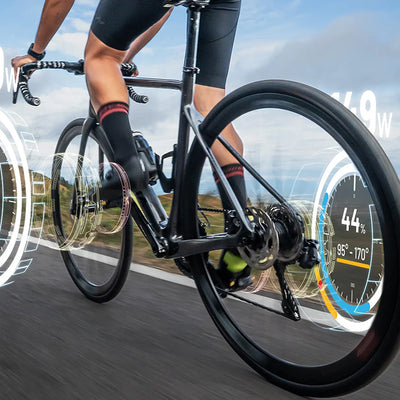
Flowbio measures:
- How much fluid you lose
- How much sodium you lose
- How much you should drink
- How much sodium you need


This gives you a personal hydration plan.
For example, Flowbio may show:
- Sweat rate: 900 ml/hour
- Sodium loss: 800 mg per liter
This means after a 90-minute ride, you need to replace about:
- 1.3 liters fluid
- 1,000 mg sodium
This makes hydration precise and safe.
When Is the Best Time to Train?
There are two ideal training windows.
Option 1: Before Iftar (Easy Sessions)
Best for:
- Easy runs (45–60 min)
- Easy rides (60 min)
Benefit: You can hydrate immediately after. Limit intensity.
Option 2: After Iftar (Better for Performance)
Best for:
- Longer rides
- Harder workouts
- Structured training
Benefit: You can drink and fuel before and during training.
This is the best option for quality sessions.
Fueling and Hydration Table (Save This)
This is your simple guide.
CLCLING:
| Training | Before | During | After |
|
Ride < 60 min before Iftar |
Nothing | Nothing |
500 ml water + electrolytes & carb drink |
|
Ride < 60 min after Iftar |
500 ml water + electrolytes |
Water if needed |
Normal meal |
|
Ride 60–90 min after Iftar |
500 ml water + electrolytes |
500–750 ml electrolyte or carb drink |
Water + normal meal |
|
Ride 90–120 min after Iftar |
500 ml water + carb drink |
1 bottle carb drink + water |
Water + meal |
RUNNING:
| Training | Before | During | After |
Run < 60 min before Iftar |
Nothing | Nothing | 500 ml water + electrolytes |
Run < 60 min after Iftar |
500 ml water + electrolytes |
Not needed |
Normal meal |
Run 60–75 min after Iftar |
500 ml water + carb drink |
Optional gel |
Water + electrolytes + meal |
What Should You Drink?
There are different options, depending on your needs.
Option 1: Electrolytes Only
Best for hydration without calories.
Mix 1 tablet of your favorite electrolyte drink with water.
Good for:
- Short Sessions
- Hydration Support
Option 2: Carbohydrate + Electrolytes
Best for longer or harder sessions.
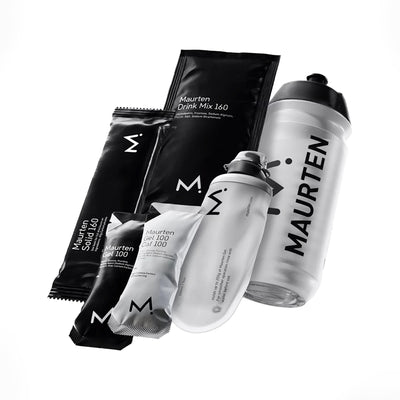
For example, drinks like Maurten Drink Mix 160 or 320 provide:
- Carbohydrates (energy)
- Sodium (hydration support)
This helps your body recover faster and maintain performance.
Especially useful:
- After training
- Before longer evening sessions
Option 3: Concentrated Electrolyte Support
Pickle Juice shots provide highly concentrated electrolytes with no sugar or caffeine.
These can be useful for:
- Heavy sweaters
- Hot conditions
- Additional sodium support
Hydration Between Iftar and Suhoor
This is your only hydration window. Do not drink everything at once. Spread fluids across the evening.
Example:
- Iftar 500 ml water + electrolytes
- After training 500–750 ml water + electrolytes
- Before sleep 500 ml water
- Suhoor 500 ml water + electrolytes
Flowbio can help determine your exact needs. Some athletes need 2.5 liters. Others need 4 liters.
Suhoor: Prepare Your Body for the Next Day Suhoor
Suhoor is very important. Focus on:
- Water
- Electrolytes
- Carbohydrates
- Protein
Avoid dehydration before the fast begins.
Most Important Rules to Remember During Ramadan
Simple checklist:
- Hydrate between Iftar and Suhoor
- Use electrolytes, not only water
- Reduce training intensity if needed
- Train after Iftar when possible
- Listen to your body
- Recover properly
Final Ramadan Thoughts
Training during Ramadan is absolutely possible. The key is not pushing harder, but training smarter. Hydration is your number one priority. Electrolytes help your body use fluids properly. Carbohydrates help restore energy.
Tools like Flowbio can give you precise hydration insights. Nutrition options like electrolyte drinks or carbohydrate mixes can support recovery and performance. Most importantly, stay consistent and listen to your body. Ramadan builds discipline and discipline builds strong athletes.


