







A bike can be the “correct” size on paper and still feel wrong after an hour in the saddle. You might reach too far for the handlebars, put too much weight through your hands, or spend half the ride wondering whether to move the saddle again. On the other hand, no amount of fine-tuning can always rescue a frame that never suited you in the first place.
That’s why bike sizing and bike fitting are two different jobs. They work together, but they don’t solve the same problem.
Bike Sizing vs. Bike Fitting: The Key Differences
Bike sizing and bike fitting are closely related, but they serve different purposes.
Bike sizing helps you choose a bicycle frame that suits your height, body proportions and riding needs. It's usually the first step when buying a new bike.
Bike fitting focuses on adjusting your position on the bicycle. This includes saddle height, handlebar reach, cleat positioning and other adjustments that can improve comfort and support your riding goals.
The simplest way to remember the difference? Sizing helps you choose the right bike. Fitting helps you find the right position on it.
What Is Bike Sizing?
Bike sizing is the process of finding a bicycle frame that matches your body measurements and proportions. It's one of the most important steps when buying a new bike, whether you're choosing your first road bike or upgrading to something more advanced.
Most manufacturers provide size charts based on rider height. While these are useful starting points, they don't tell the whole story.
Two cyclists might both be 175 cm tall, but one could have longer legs and a shorter torso. Despite being the same height, they may need different frame sizes or geometries to achieve a comfortable riding position.
That's why proper bike sizing looks beyond height alone.
Why Bike Frame Geometry Matters
Bike frames aren't all built the same way.
A Medium road bike from one manufacturer may have a different geometry from a Medium made by another. Even within the same brand, an endurance road bike and a racing bike can offer noticeably different riding positions.
Two important measurements are stack and reach.
Stack describes the vertical distance from the centre of the bottom bracket to the top of the head tube, while reach measures the horizontal distance between those same reference points. Together, they help describe the frame's proportions and the riding positions it can accommodate.
For example, an endurance road bike generally offers a more relaxed, upright riding position, while a performance-oriented racing bike typically places the rider lower and further forward.
Neither is automatically better. The right choice depends on your body proportions, comfort, flexibility and the type of cycling you enjoy.
How Bike Sizing Works at Wolfi's
At Wolfi's, we use the Smartfit sizing system, developed by German company Radlabor, to help cyclists find a suitable bicycle frame.
Rather than relying on height alone, Smartfit uses body measurements alongside an extensive database of bicycle frame geometries to recommend appropriate sizes across different brands and models.
The measurement process typically takes just 5–10 minutes, and there's no need to change into cycling clothing.
Once your measurements are recorded, our team can help you compare suitable bicycles and understand how their different geometries may affect your riding position.
Whether you're buying your first road bike or switching to a different brand, getting measured can help you make a more informed decision before committing to a new frame.

What Is a Professional Bike Fit?
Choosing the right frame is only part of the equation. Once you've found a suitable bicycle, the next step is making sure it's properly adjusted to your body.
That's where professional bike fitting comes in.
A bike fit examines how you sit, move and pedal on your bicycle, with the goal of finding a riding position that supports your comfort, control and performance.
Unlike bike sizing, which focuses on selecting the appropriate frame, bike fitting looks at how your body interacts with the bicycle's contact points.
This can involve adjusting:
- Saddle height and position: Helping you achieve an appropriate pedalling position.
Handlebar height and reach: Finding a comfortable balance between posture, control and riding style.
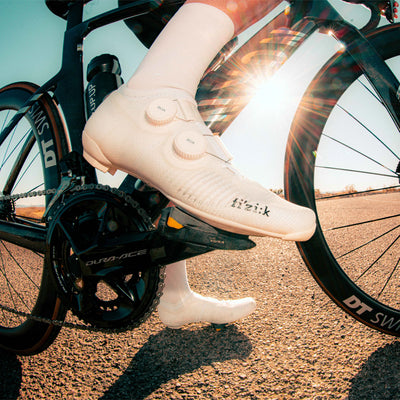
Cleat positioning: Adjusting how your cycling shoes connect to the pedals.
Stem and cockpit setup: Refining your reach and overall riding position.
Even relatively small adjustments can make a noticeable difference, particularly when you're spending several hours in the saddle.
A professional bike fit can also be useful before purchasing a new bike, especially when choosing between performance-oriented frames or more aggressive riding positions.

How Does Bike Fitting Work at Wolfi's?
At Wolfi's, professional bike fitting goes beyond simply adjusting your saddle height. It's about understanding how your body interacts with your bicycle and finding a riding position that works for you.
The process starts with understanding your riding experience, goals and any discomfort you might be experiencing. From there, our fitting specialists assess your position while pedalling to identify areas where adjustments could make a difference.
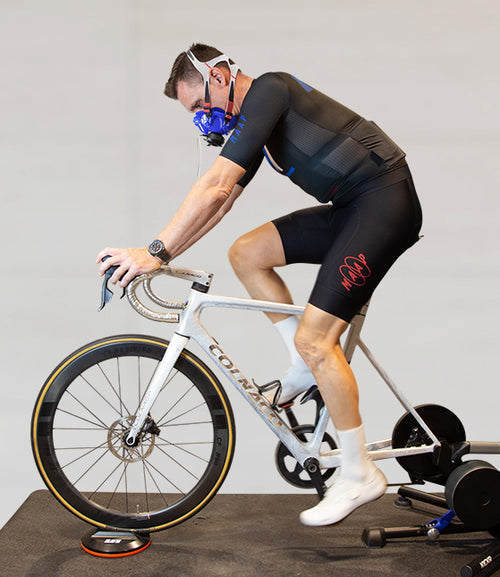
Depending on the fitting service, technologies such as video analysis and gebioMized pressure mapping can help evaluate your movement and how pressure is distributed across contact points, including the saddle and feet.
These insights help guide adjustments to your bike's setup, whether that's changing your saddle position, refining your reach or reviewing your cleat alignment.
Importantly, there's no single perfect position for every cyclist. Someone preparing for long endurance rides may have different requirements from a rider focused on racing or aerodynamic performance.
At Wolfi's, we aim to find the right balance between comfort, control and performance, based on how you actually ride.
Our new Wolfi's Flagship Dubai in Al Quoz also features a dedicated bike fitting studio, bringing professional fitting services closer to Dubai's cycling community.
Do You Need Bike Sizing or Bike Fitting?
The answer depends on where you are in your cycling journey. While both services can help improve your riding experience, you don't necessarily need both.
Buying your first bike? Start with sizing.
Before worrying about detailed adjustments, make sure you're choosing a frame that suits your body proportions. A proper sizing session helps narrow your options and reduces the risk of buying a bike simply because its size chart matches your height.
Already own a bike but feel uncomfortable? Consider a professional fit.
If you're experiencing recurring saddle discomfort, numb hands, or difficulty maintaining a comfortable riding position, a bike fit can help identify whether your setup is contributing to the problem.
Upgrading to a performance bike? You may benefit from both.
Moving from an endurance road bike to a more aggressive racing bike can significantly change your riding position. Sizing helps determine whether the new frame is appropriate, while fitting allows you to refine your position for your riding goals.
Already comfortable on your current bike?
You might not need a full professional fitting. If your bike fits appropriately, you're riding comfortably, and you aren't experiencing recurring issues, there's no need to make adjustments simply for the sake of it.
Ultimately, the best approach is to start with what you need rather than assuming every cyclist requires the same service.
Can a Bike Fit Fix a Bike That's the Wrong Size?
A professional bike fit can improve your riding position, but it can't always compensate for a bicycle frame that's the wrong size.
There's a certain amount of flexibility when adjusting a bike. A fitter can change your saddle height and position, adjust the handlebars, or recommend a different stem to help you achieve a more suitable riding position.
However, these adjustments have their limits.
If a frame is significantly too large or too small, making extreme adjustments to compensate can affect the bicycle's handling, comfort and overall ride quality.
For example, fitting a very short stem to compensate for an excessively long frame might bring the handlebars closer, but it won't necessarily make the bike handle the way it was designed to.
This is why getting the right frame size from the beginning matters. Bike sizing helps you select a suitable foundation, while bike fitting allows you to refine your position once you've found it.
Think of it this way: You can adjust how a bike fits, but you can't completely change its geometry
How Long Do Bike Sizing and Bike Fitting Take?

Bike sizing and bike fitting require different amounts of time, depending on the level of assessment involved.
Bike sizing typically takes 5–10 minutes.
At Wolfi's, the Smartfit sizing process is quick and straightforward. You don't need to bring cycling equipment or change into cycling clothing, making it easy to incorporate into a regular store visit.
Professional bike fitting generally takes 1–3 hours.
A full bike fit involves a more detailed assessment of your riding position, movement and contact points. The session may include multiple adjustments and measurements to help find a setup suited to your body and riding goals.
Some bicycles, particularly those with integrated handlebars or internal cable routing, may require additional workshop time for certain adjustments.
For a professional fitting, it's best to bring your usual cycling clothing, cycling shoes and bicycle so the assessment reflects your normal riding setup.
Is a Professional Bike Fit Worth It?
For many cyclists, a professional bike fit can be a worthwhile investment, particularly as their riding distances increase or their performance goals become more demanding.
However, the value of a bike fit isn't determined by how expensive your bicycle is. It's about understanding whether your current setup supports the way you ride.
A professional fitting is especially worth considering if:
- You're increasing your riding distance: A position that feels comfortable during a short ride may become less comfortable after several hours.
- You're experiencing recurring discomfort: Saddle pressure, numb hands or foot discomfort may indicate that your riding position needs attention.
- You're preparing for a cycling event: A professional fit can help you explore a position suited to your goals while balancing comfort and performance.
- You've changed equipment: A new saddle, cycling shoes, cleats or handlebars can affect how your body interacts with the bicycle.
- You're investing in a performance bike: Understanding your ideal riding position can help you make better decisions about frame geometry and component selection.
That doesn't mean every cyclist needs an advanced fitting session. If you're comfortable on your current bike and aren't experiencing recurring issues, your existing setup may already be working well.
Ultimately, a professional bike fit is about making your bicycle work better for you, regardless of whether you're a beginner or an experienced cyclist.
FAQ's 💬
What is the difference between bike sizing and bike fitting?
Bike sizing helps you choose the right bicycle frame based on your body measurements and frame geometry. Bike fitting focuses on adjusting your riding position, including saddle height, handlebar reach and cleat alignment, to improve comfort and support your cycling goals.
Should I get a bike fit before or after buying a bike?
Both are possible. A pre-purchase bike fit can help you choose a suitable frame, particularly when investing in a performance bike. A post-purchase fit focuses on refining your position on the bicycle you already own.
Do beginners need a professional bike fit?
Not necessarily. Most beginners should start with proper bike sizing and a basic bicycle setup. A professional fit is worth considering if you experience recurring discomfort, have specific physical requirements or plan to spend longer hours riding.
How much does a professional bike fitting cost at Wolfi's?
currently our gebioMized Road Bike Fitting is AED 1,295 and TT Bike Fitting is AED 1,495. Prices and appointment availability are subject to change, so check the latest service information before booking.
Where can I get bike sizing and fitting in Dubai?
Wolfi's offers Smartfit bike sizing at several Dubai locations, including its Al Quoz flagship, Al Khawaneej Walk and Last Exit Al Qudra stores. The Wolfi's Flagship Dubai in Al Quoz also features a dedicated bike fitting studio.
Find Your Perfect Fit at Wolfi's
Whether you're buying your first road bike, upgrading to a new model or looking to improve your comfort on a bike you already own, finding the right fit starts with understanding what you need.
At Wolfi's, our team can help you choose a suitable frame through bike sizing and guide you towards professional fitting services when more detailed adjustments are needed.
Ready to find your perfect fit? Visit your nearest Wolfi's store to explore our range of bicycles, get expert sizing advice and learn more about our bike fitting services.
Because the right bike isn't just about the brand, components or price. It's about finding a bike that feels right every time you ride.


